

Buying your first home in Los Angeles in 2026 is genuinely hard, but it's not as far out of reach as most people assume, especially if you're willing to look at the San Fernando Valley. A lot of first-time buyers write off the Valley without really digging into the numbers, and that's usually where the regret starts. If your budget sits somewhere in the mid $600Ks to low $800Ks, neighborhoods like Reseda, Winnetka, Canoga Park, and Lake Balboa are still producing real opportunities for buyers who move with a clear plan. Those aren't consolation-prize neighborhoods either — they're areas where your money actually goes somewhere, and where ownership is still a realistic outcome rather than a distant goal. On the other end of the Valley, places like Woodland Hills, Encino, Tarzana, West Hills, and Northridge carry higher price tags, but there are real reasons for that — stronger school ratings, better walkability, and the kind of long-term resale value that tends to hold up. This guide breaks all of that down without the usual fluff, covering what you can realistically buy in each area, what tradeoffs come with each neighborhood, and how to make the numbers work even if your cash to close feels tight. There's also a section on renting versus owning that's worth reading if you're still on the fence, plus a look at strategies like seller credits and rate buydowns that quietly change what's possible for buyers who feel close but not quite there yet — so where does your budget actually land you?
Where First-Time Buyers Still Have a Real Shot in the Valley
The San Fernando Valley still has entry points that make sense for first-time buyers in 2026, but knowing where those entry points are matters more than ever. Depending on your budget, you could be looking at anything from a modest starter home in a quiet residential pocket to a larger property in a neighborhood with strong school ratings — and the gap between those two outcomes often comes down to which part of the Valley you're targeting.
2026 Pricing Snapshot
Prices across the Valley aren't uniform, and that's actually good news for buyers working with different budgets. Here's a general breakdown of where things stand heading into 2026 —
- More affordable submarkets — areas like Reseda, Winnetka, and Canoga Park can still see entry-level single-family homes starting in the mid $500Ks to mid $600Ks
- The common first-time buyer range — for a move-in ready home with reasonable space, most buyers are shopping somewhere between the mid $600Ks and low $800Ks, which aligns with Zillow data showing typical home values in the San Fernando area sitting around $732,018
- Premium neighborhoods — Encino, Tarzana, Woodland Hills, and Studio City generally start closer to $900K and above for single-family homes, with many listings going well past that
Why the Valley Still Attracts First-Time Buyers
Buyers who've spent any time looking at the Westside — Santa Monica, Culver City, West Hollywood — tend to arrive at the Valley with a mix of relief and surprise. The same budget that gets you a small condo near the beach can get you a three-bedroom house with a yard and a driveway out here. That shift in what your money actually buys is one of the biggest reasons the Valley keeps drawing buyers who feel squeezed out of other parts of Los Angeles.
There's also a longer-term case to be made. The Valley has historically held its value steadily, and neighborhoods that felt like compromise choices a decade ago — Lake Balboa, parts of Northridge — have quietly appreciated in ways that rewarded early buyers. For someone focused on building equity over time rather than chasing the most prestigious zip code, the Valley offers a more grounded path forward.
Sorting through which specific neighborhoods deliver the right combination of price, lifestyle, and long-term resale value is where the real decision-making starts — and that's exactly what the rest of this guide works through, one neighborhood at a time.
The Best Entry Points if You Want a House, Not Just a Zip Code
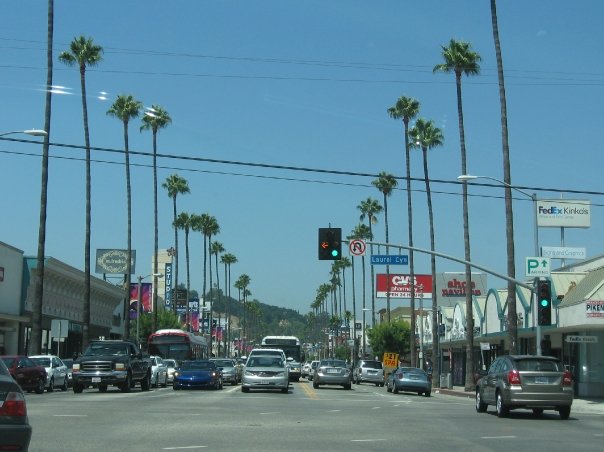
For first-time buyers who want actual square footage, a backyard, and a driveway over a coveted address, Reseda, Winnetka, Canoga Park, and Lake Balboa are where the Valley quietly delivers. These four neighborhoods represent the tier where ownership is still within reach for buyers working with realistic budgets, and where the focus stays on what the home can give you rather than what the street name signals to others.
Across this tier, most of what you'll find are homes built between the 1950s and 1970s — two- and three-bedroom properties sitting on modest lots with detached garages and enough yard space to actually use. A fair number of these homes need cosmetic work, which is partly why the pricing stays lower, but that also means buyers who are willing to put in some effort over time tend to come out ahead. Townhomes and condos are also scattered throughout these neighborhoods for buyers who want to get into the market at a lower price point without taking on a full single-family home.
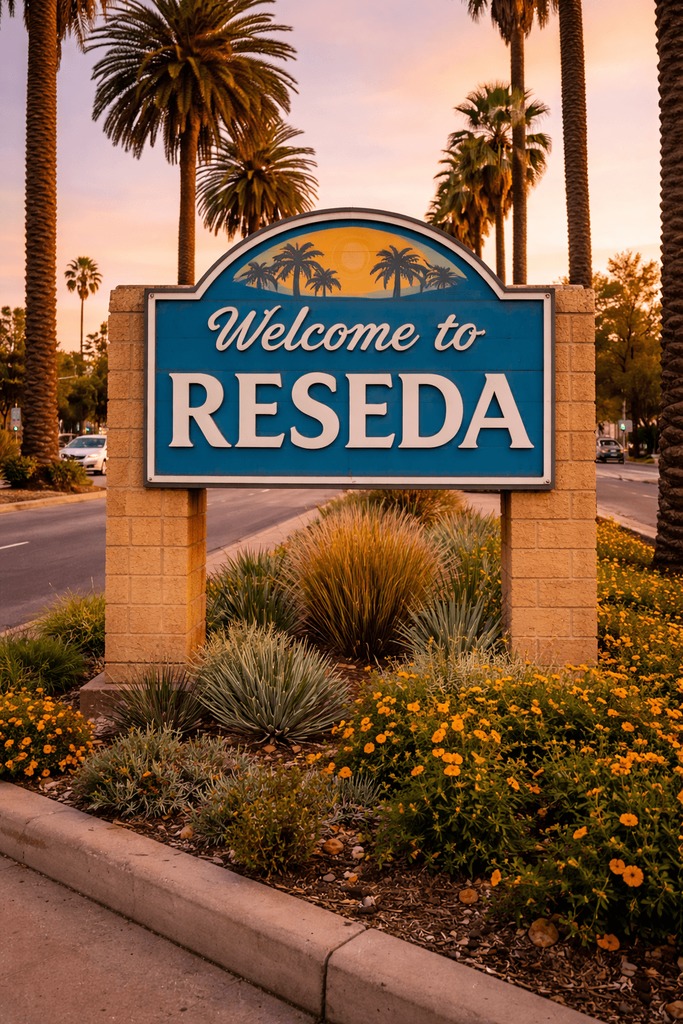
Reseda sits at an interesting spot in this group. Home prices here are down 8.7% compared to last year according to Redfin, with a median sale price of $813K — and that dip creates a quieter window for buyers who aren't in a rush to compete. The older housing stock means garages, yards, and floor plans that actually breathe, and the neighborhood borders Tarzana and Encino closely enough that you're never far from the amenities those areas offer. For a buyer who sees a home as something to grow into and improve gradually, Reseda makes a strong case.
Winnetka tends to get overlooked simply because it doesn't have the name recognition of Woodland Hills, but that's precisely what makes it worth considering. The value per square foot here is noticeably better, and you're still firmly in the West Valley with easy access to major corridors. Buyers who want the general feel of the western end of the Valley without stretching their budget to match Woodland Hills pricing will find Winnetka covers a lot of the same ground for less.
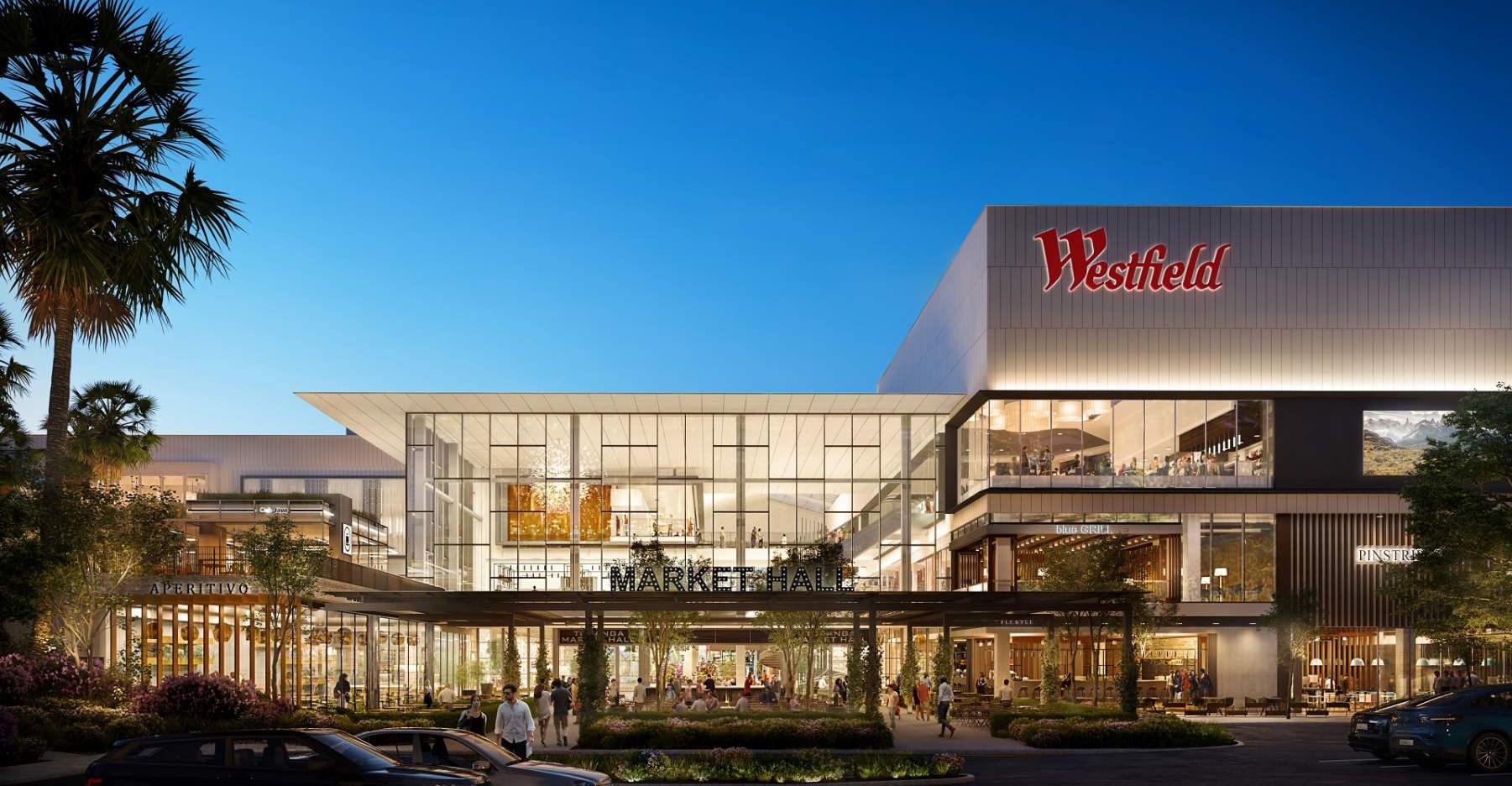
Canoga Park sits right at the edge of Warner Center, which means residents have Westfield Topanga and The Village essentially at their doorstep. For buyers who want retail, dining, and transit options woven into daily life without paying the premium of a more polished zip code, the location-to-price ratio here is hard to argue with. The Metro Orange Line also runs through the area, which adds a layer of commute flexibility that not every Valley neighborhood can offer.
Lake Balboa draws a different kind of buyer — one who wants a neighborhood that feels settled and calm. The 80-acre Anthony C. Beilenson Park anchors the area, with the lake, walking paths, and bike trails giving the neighborhood a rhythm that's hard to find at this price point. Freeway access via the 405 and 101 keeps commuting manageable, and the overall feel skews family-friendly without the higher price tags that usually come with that.
Trading walkability scores and prestige for actual ownership is a real tradeoff in these neighborhoods, but it's one that tends to age well — buyers who got into Reseda or Lake Balboa five years ago have generally seen their equity grow steadily, even without the flashier zip code to show for it.
Where It Makes Sense to Stretch Your Budget for Schools, Space, and Resale
Some buyers land on Reseda or Winnetka and feel settled. Others look at those neighborhoods and know they want something different — better-rated schools, a larger yard, a street that feels a little quieter or more polished. That second group tends to end up shopping in a tier where the monthly payment is noticeably higher, but where the reasons for that gap are fairly easy to trace back to school ratings, lot sizes, and the kind of neighborhood feel that tends to hold its value over time.
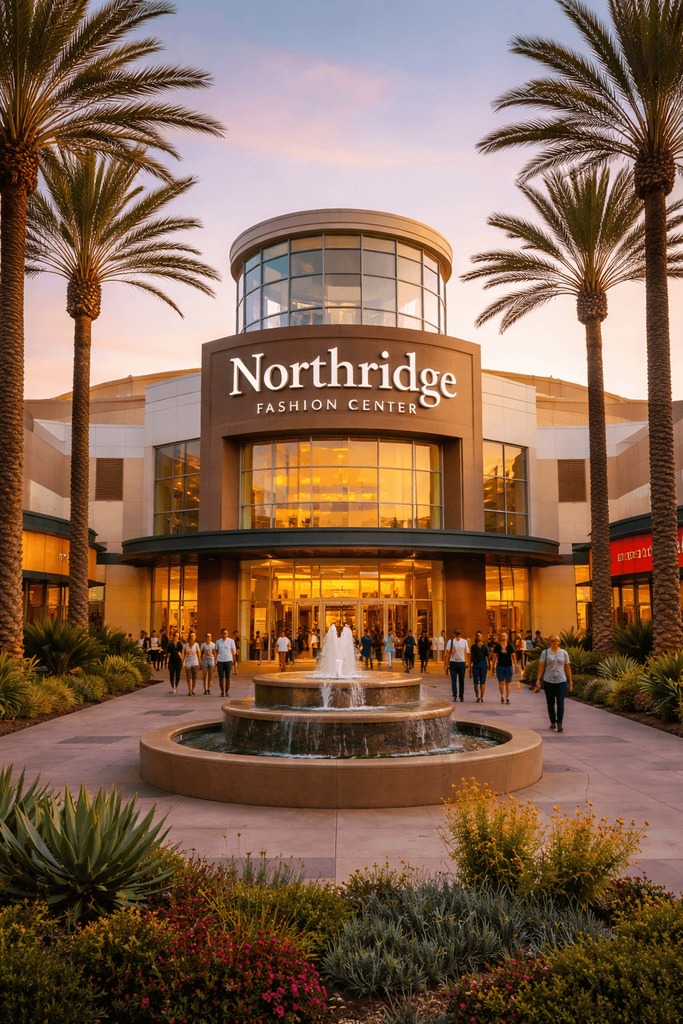
- Encino suits buyers who want a central Valley location without sacrificing convenience or school quality. Ventura Boulevard runs through the heart of it, bringing restaurants, coffee shops, and everyday retail within easy reach. The school draw is real — families with kids often specifically target Encino for the public school options — and the overall feel skews established and calm. The tradeoff is that single-family homes here carry one of the higher entry points in the Valley, which pushes some first-time buyers toward the edges of what their pre-approval covers.
- Tarzana works well for buyers who want a premium zip code without immediately committing to a full single-family purchase. Condos here offer a lower entry point for buyers who want to get established in the neighborhood first. The 101 freeway access makes commuting manageable, and the streets feel noticeably quieter than more central Valley neighborhoods. The neighborhood has a strong residential identity — not flashy, just settled — which is part of why buyers who move here tend to stay.
- Woodland Hills is the neighborhood that keeps coming up when buyers want the full West Valley package — shopping, dining, hiking trails near the Santa Monica Mountains, and a more complete daily lifestyle. Families will enjoy living in Woodland Hills thanks to well-rated schools like Calabash Charter Academy and Taft Charter High School, and the tree-lined streets hold a great mix of Spanish Revival and Mediterranean-style homes. The 101 also keeps Downtown LA reachable for commuters. Pricing has climbed here, so buyers need to come in with clear expectations, but the resale case is strong.
- West Hills draws families who specifically want space and quiet over proximity to commercial corridors. Lots tend to run larger here than in more central parts of the Valley, and the streets have a slower, more residential pace. It sits at the western edge of the Valley, which means less traffic noise and a more removed feel from the busier parts of the region. The tradeoff is that you're farther from the freeway hubs, so commute planning matters more.
- Northridge stays on first-time buyer lists because it delivers suburban comfort at a price point that's high but not completely out of reach. Lots are generous, the layout is family-friendly, and the school options are a consistent draw. It's practical in the best sense — not the most glamorous choice, but one that tends to age well for buyers focused on long-term stability.
Spending more in this tier only makes sense when the reasons behind the higher price directly match what you're actually prioritizing — whether that's a specific school district, a yard big enough to use, or a neighborhood where resale demand stays steady even when the broader market softens.
Why Some Buyers Rent in One Neighborhood and Buy in Another
Plenty of Valley renters are paying premium prices to live in Sherman Oaks or Studio City while a three-bedroom home with a yard sits available in Reseda or Lake Balboa at a monthly cost that isn't far off. That gap between where people live and where they could own is one of the quieter financial puzzles in the LA housing market right now.
What the Monthly Numbers Actually Look Like
A two-bedroom apartment in Sherman Oaks or Studio City typically runs somewhere between $2,400 and $3,000 per month depending on the building, the finishes, and how close it sits to Ventura Boulevard. That same monthly range, when applied toward a mortgage on a starter home in Reseda or Lake Balboa, can get a buyer into a three-bedroom property with a driveway, a yard, and no shared walls. The math doesn't always work out perfectly, but it's closer than most renters expect.
What makes the comparison worth sitting with is that "buying a home isn't just about the monthly mortgage payment." Property taxes, home insurance, and HOA dues all factor into the real monthly cost of ownership, which is why two buyers with identical loan amounts can end up with very different monthly obligations depending on the property. Running a side-by-side comparison with a lender — rather than estimating from a listing price alone — is the only way to get an honest read on where you actually land.
The Lifestyle Question Underneath the Numbers
Staying in Sherman Oaks or Studio City means keeping the walkability, the coffee shops, the weekend farmers markets, and the general sense of being in a neighborhood that feels complete. That's a real and valid thing to want, and it's not something a spreadsheet captures well. For buyers who are single, commute-dependent, or simply not ready to trade a walkable block for a quieter residential street, renting in a premium area can still be the right call for now.
The calculation shifts, though, when future family needs start entering the picture. A dog that needs a yard, a school district that matters for kids arriving in the next few years, or simply the desire to stop splitting walls with neighbors — these are the kinds of priorities that make a three-bedroom home in Lake Balboa feel less like a compromise and more like the obvious move. Depending on your situation, buying may make more financial sense if you plan to stay for several years, since equity builds quietly in the background while a renter's monthly payment resets with every lease renewal.
Talking through the full cost picture with a lender — factoring in your down payment, the current rate environment, estimated taxes, insurance, and any HOA fees tied to the property — gives you the clearest comparison between what you're paying now and what ownership would actually cost month to month.
The Money Moves That Can Make Buying Feel a Lot More Possible
The list price on a home is only one part of what determines whether you can actually close on it. For first-time buyers, the gap between what a home costs and what you can realistically bring to the table often comes down to how the deal is structured — and that's where negotiation, credits, and financing strategy quietly do a lot of the heavy lifting.
- Seller credits explained simply — A seller credit is when the seller agrees to contribute money toward your closing costs as part of the deal. As Rocket Mortgage puts it, "seller concessions are contributions from the seller toward the buyer's closing costs," and they can meaningfully reduce what you need to bring to the table on closing day. In neighborhoods like Reseda, Winnetka, and Canoga Park, where competition tends to be softer than in Encino or Woodland Hills, sellers are generally more open to these conversations. A buyer submitting an offer in a less competitive pocket has more room to ask without losing the deal.
- A concrete example — On a $700,000 purchase, a 2% seller credit works out to $14,000. That money can be applied toward closing costs, prepaid items like homeowner's insurance and property tax reserves, or other upfront expenses that would otherwise come directly out of your pocket. For a buyer who has enough saved for a down payment but is stretched thin on closing costs, that $14,000 credit can be the difference between a deal that works and one that doesn't. Concessions can cover up to 3% – 6% of the home purchase price, depending on the loan type and down payment amount, so the ceiling on what's possible is higher than most buyers expect.
- Temporary vs. permanent rate buydowns — A temporary buydown — the most common version being a 2-1 buydown — lowers your interest rate for the first two years of the loan before it adjusts to the permanent rate. This gives buyers a lower payment early on while income has time to grow or finances settle. A permanent buydown, on the other hand, uses upfront points to reduce the rate for the entire life of the loan, which lowers the monthly payment for good. Both can be funded using seller credits, which is why negotiating a credit in a less competitive neighborhood can do double duty — covering closing costs or buying down the rate depending on what matters most to the buyer.
- Other concessions buyers can negotiate — Beyond rate buydowns and closing cost coverage, buyers can also ask for repair credits after an inspection turns up issues, or request that specific repairs be completed before closing. In neighborhoods where sellers aren't fielding multiple offers, there's more room to push on these points without the deal falling apart. Inspection-related concessions in particular tend to be more accessible in quieter markets, where a seller's motivation to close outweighs their ability to simply wait for the next buyer.
Choosing a neighborhood where you have real negotiating room changes what ownership actually costs — not just on paper, but at the closing table where the numbers have to work for real.
How to Choose the Right Valley Neighborhood for Your Real Life
Narrowing down a Valley neighborhood doesn't have to feel overwhelming — it actually gets simpler when you run every option through the same four filters in the same order. Budget, commute, schools, and lifestyle. Work through them one at a time, and most neighborhoods will sort themselves out before you ever step foot inside an open house.
Start with budget
Price range is the first filter because it's the most honest one. If a neighborhood's median sits well above what your lender has approved, spending time researching it only delays the search. Start by pulling a list of neighborhoods where homes are actively selling within your range, then build from there. This isn't about settling — it's about focusing your energy where a real outcome is possible. Plenty of buyers have found that the neighborhoods within their actual budget ended up being better fits than the ones they originally had in mind.
Then consider the commute
Where a home sits relative to your job matters more over time than it does on move-in day. A neighborhood that feels manageable during a weekend showing can feel very different on a Tuesday morning when you're sitting on the 101 or the 405. The APA notes that "the daily commute can have important implications for well-being," and that "long commutes can reduce time available for family, sleep, exercise, and other activities." That's worth weighing seriously. A home in West Hills might offer more space and quiet, but if your office is in Burbank, that daily drive will wear on you in ways that are hard to anticipate until you're living it.
Check schools before you commit
School ratings shape more than just the experience of families with kids — they influence demand, resale value, and the long-term stability of a neighborhood. Even buyers who aren't planning on children for several years tend to find that buying in a well-rated school zone protects them when it's time to sell. Northridge, Woodland Hills, and West Hills consistently draw buyers who are thinking ahead on this, and the neighborhoods hold their value partly because of it. Skipping this step now can quietly cost you later.
Let lifestyle break the tie
Once budget, commute, and schools have narrowed the field, lifestyle is usually what makes the final call. Living in Reseda gives a grounded perspective on this — owning a home here means real equity, a yard, and a mortgage that doesn't stretch the budget thin just to claim a more recognizable zip code. That trade-off ages well. That said, if budget weren't a factor, Woodland Hills or Studio City would be hard to argue against — the trails near the Santa Monica Mountains, the restaurants along Ventura Boulevard, and the overall daily quality of life in those areas are genuinely hard to match anywhere else in the Valley.
Sharing your budget range, your daily commute destination, and whether schools are a priority makes it much easier to point you toward the two or three neighborhoods where your search should actually start — reach out and we can work through it together.
Final Thoughts
The San Fernando Valley is not off-limits for first-time buyers in 2026, and hopefully this breakdown made that clearer. If your budget is tighter, neighborhoods like Reseda, Winnetka, Canoga Park, and Lake Balboa still give you a real shot at getting into the market without stretching yourself too thin. If you have a little more room and schools or long-term resale matter to you, then Encino, Tarzana, Woodland Hills, West Hills, and Northridge are worth the extra effort to get into.
One thing worth sitting with is that the renting versus owning question is not purely about numbers. It ties into where you want to be five or ten years from now - whether that's building equity, having stability, or just feeling settled somewhere that feels like yours.
The other thing many first-time buyers don't fully account for is how much a smart financing strategy can shift things. Negotiating seller credits, buying down your interest rate, or finding the right loan program can change your monthly payment and your cash to close in ways that actually matter.
Every buyer's situation is different, and what works for someone in Canoga Park might not make sense for someone eyeing Woodland Hills. That's exactly why it helps to talk it through with someone who knows the Valley well.
If you have a budget and a general idea of what you're looking for, reach out and we can start narrowing down which neighborhoods actually fit your goals.
Check out this article next